SBRescue Sling

Fast, Effective and Safe Man Overboard Recovery With the SB Rescue Sling

MCA and SOLAS accepted, the SB Rescue Sling is a NATO-approved complete MOB recovery solution.

SB Rescue Sling Deployment & Compliance

A summary of the SB Rescue Sling’s deployment, design, and international approvals for man overboard recovery.

30s

Deployment Time

The system can be deployed from alarm to water in under 30 seconds, supporting rapid man overboard recovery.

3 kg

MOB System Weight

The SB Rescue Sling weighs 3 kg, allowing a single crew member to operate it without mechanical assistance.

Approvals

SOLAS, MCA, NATO, CE

CE AND NATO approved, and accepted by SOLAS, MCA, and NATO, ensuring the system meets international safety standards.

2.1–5.2 m

Telescopic Reach

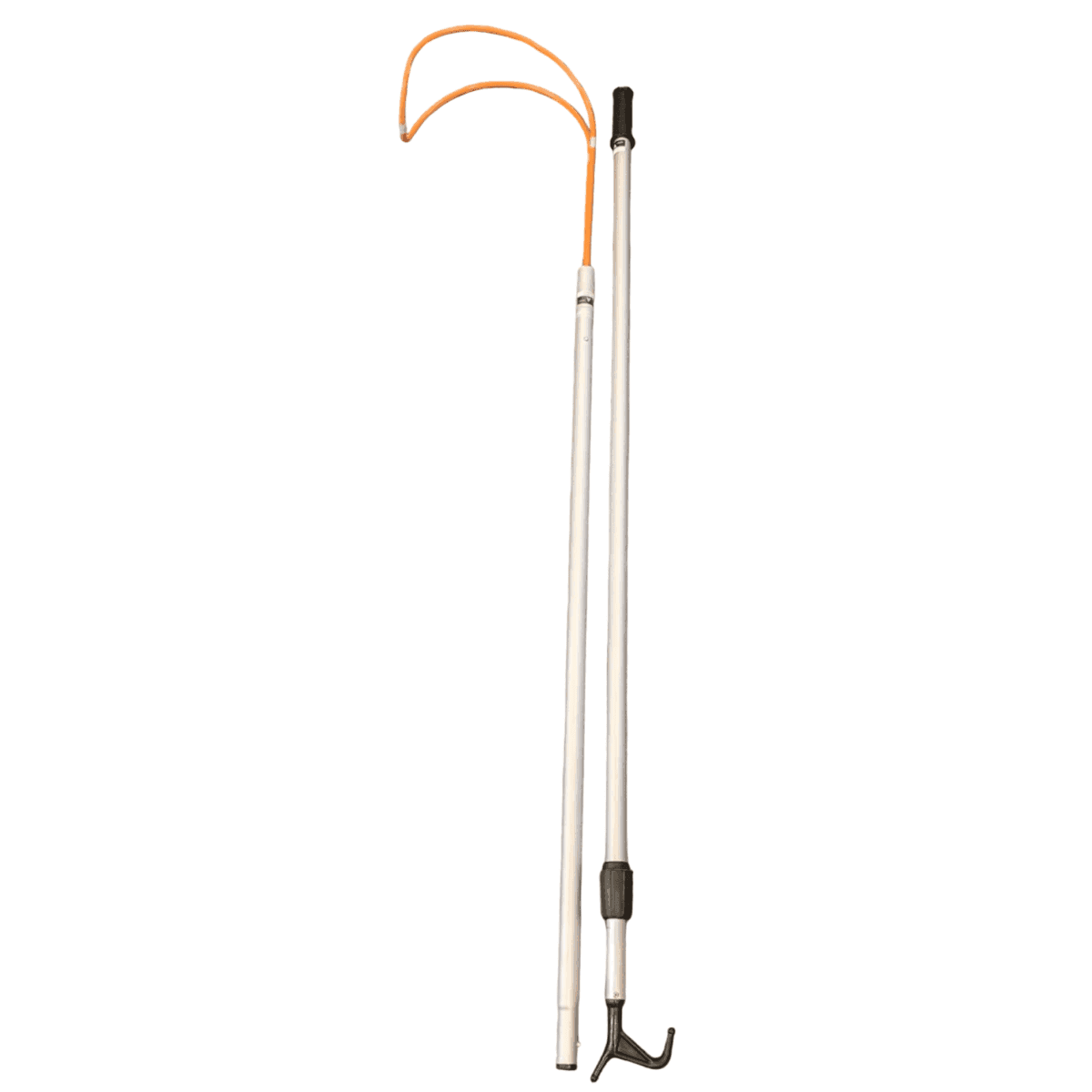
The sling extends telescopically from 2.1 m to 5.2 m, providing flexible reach for recovery in different vessel configurations.

60

Used internationally

The system is in use in over 60 countries, trusted by commercial operators, rescue services, and government organisations.

Design & Performance Explained

Exclusive Design

Single-Person Recovery

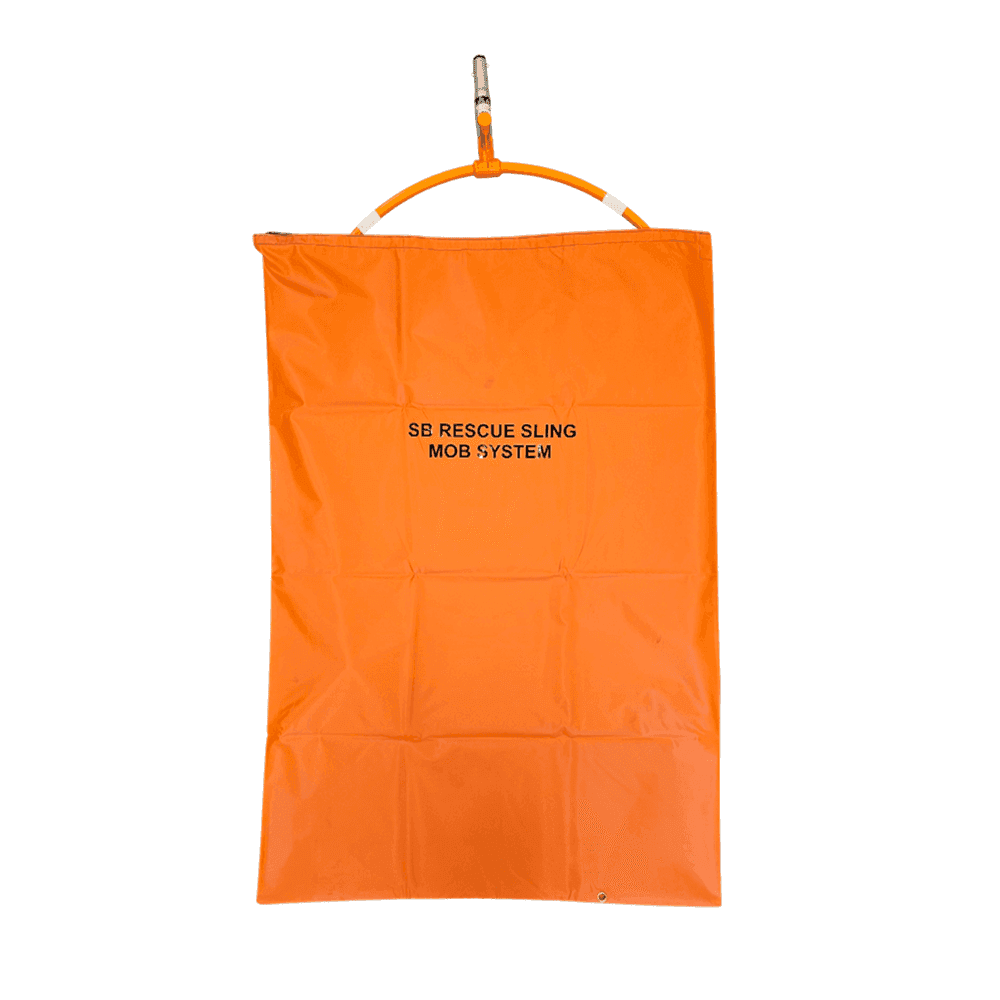
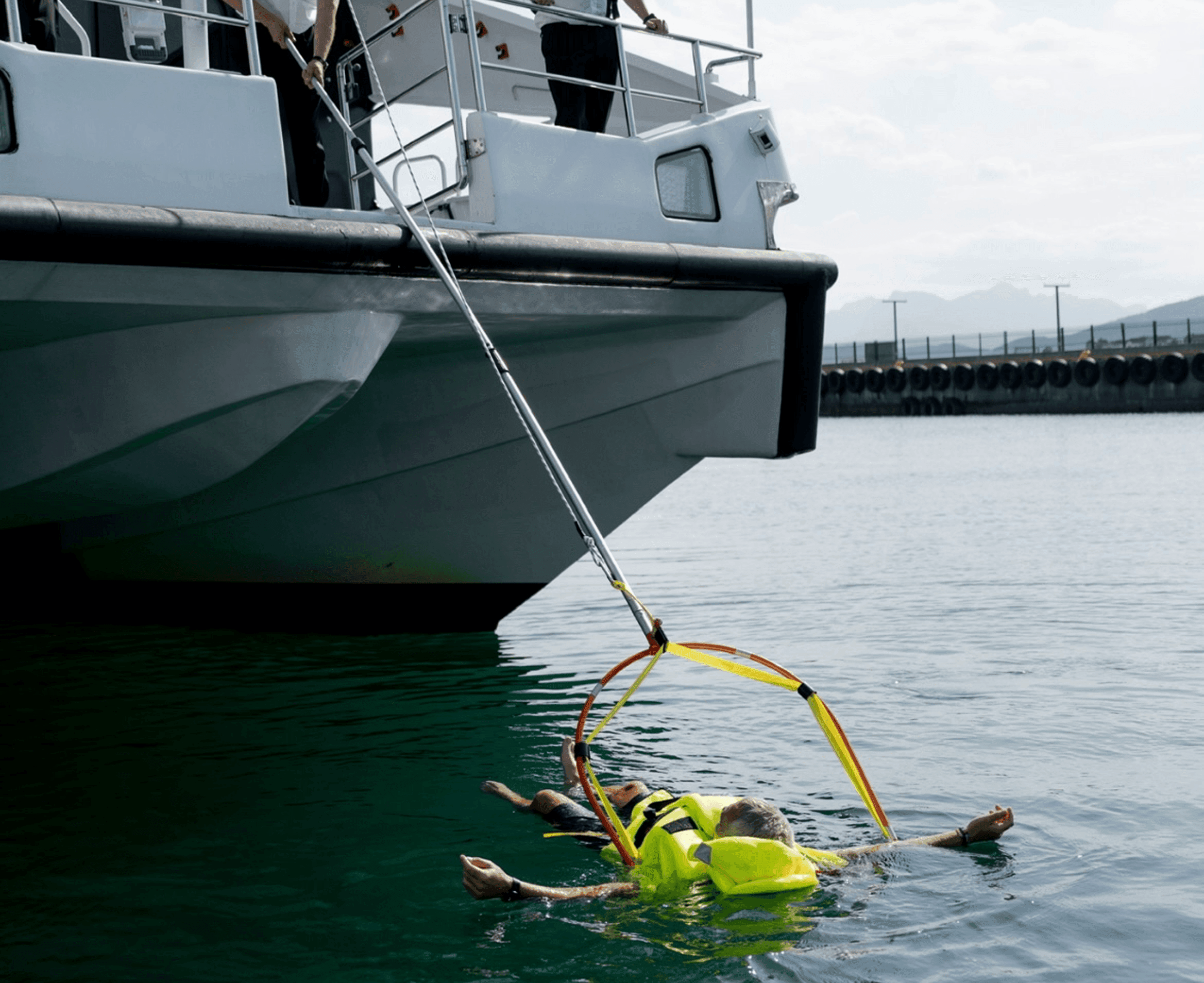
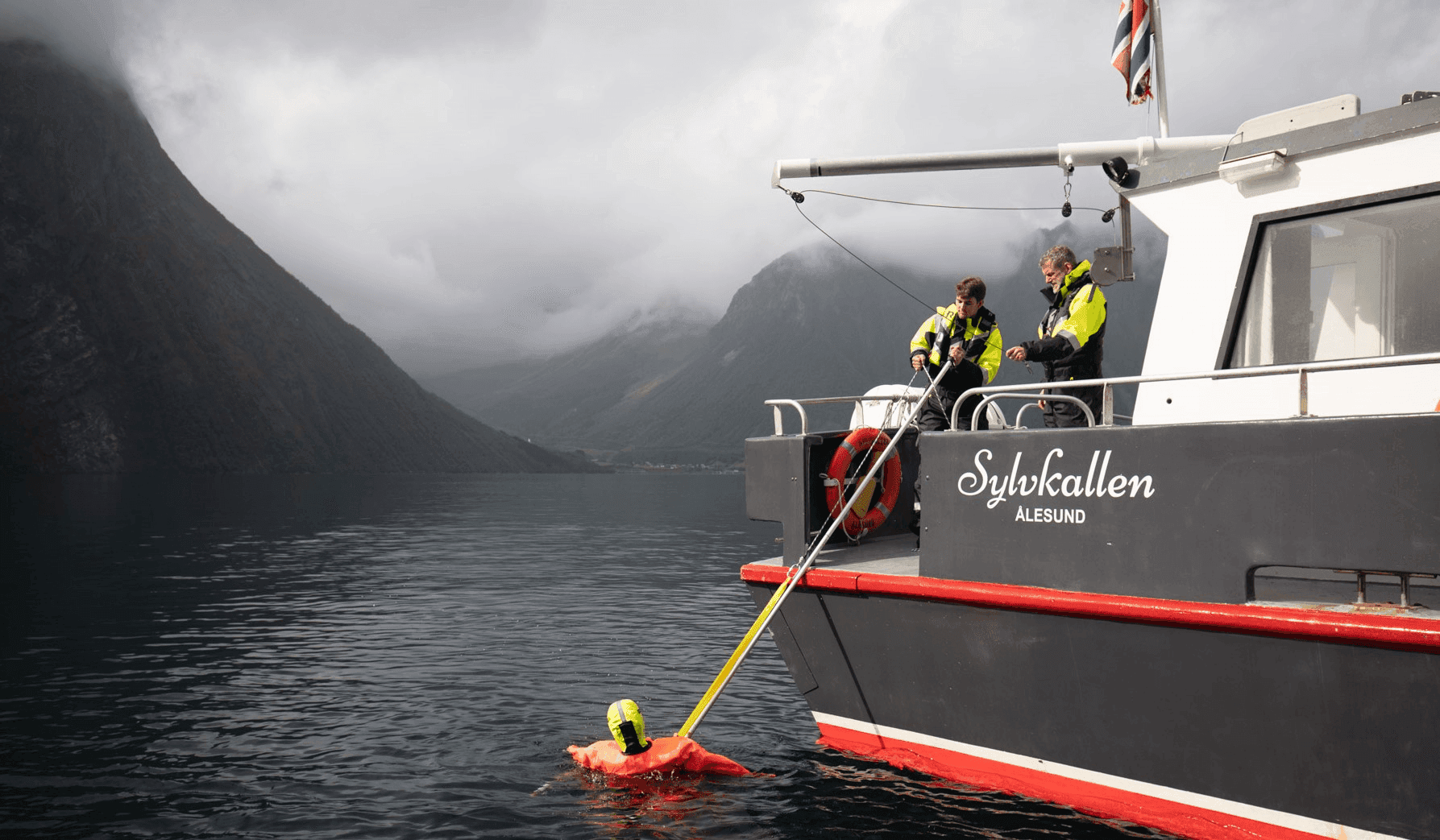
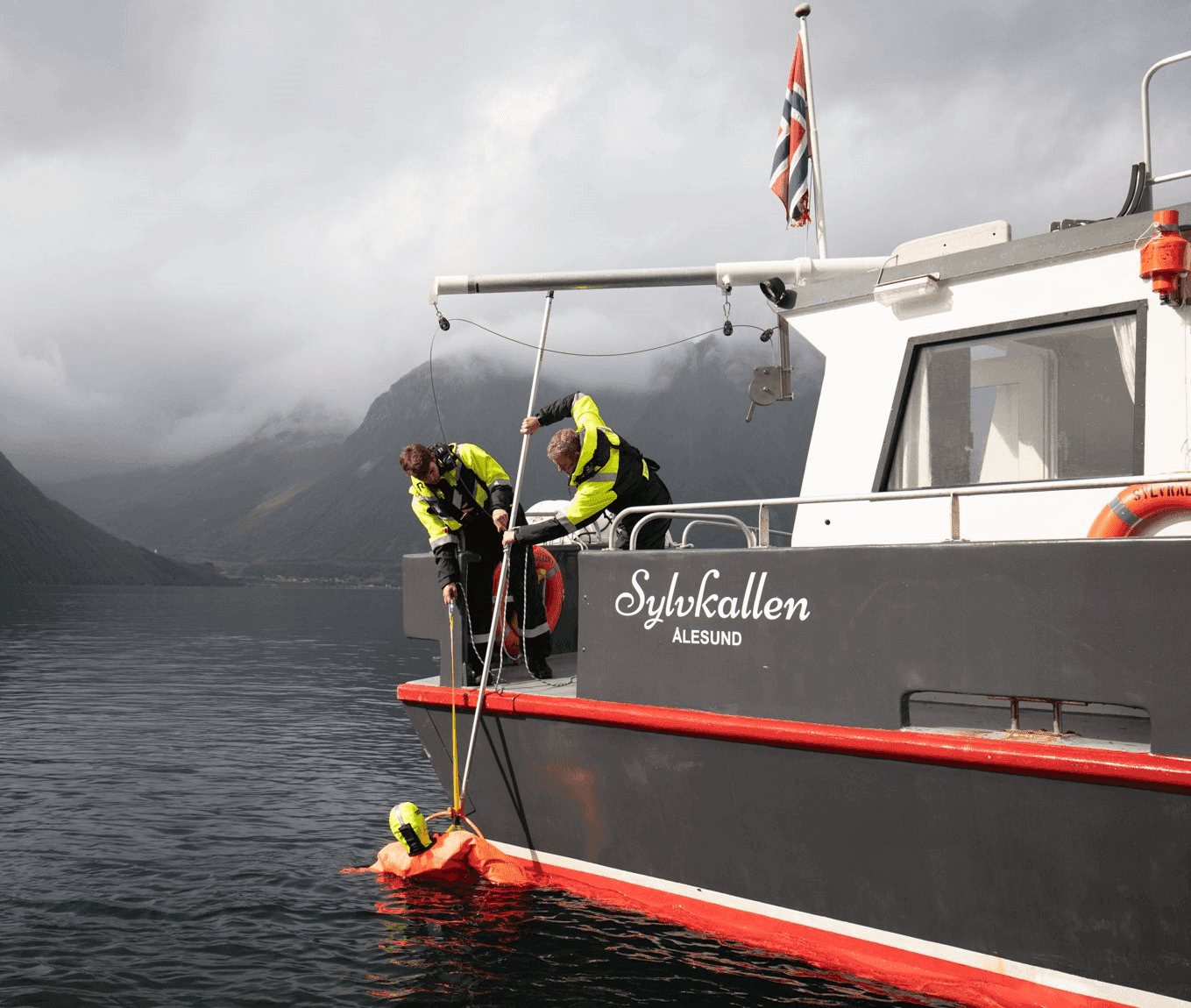
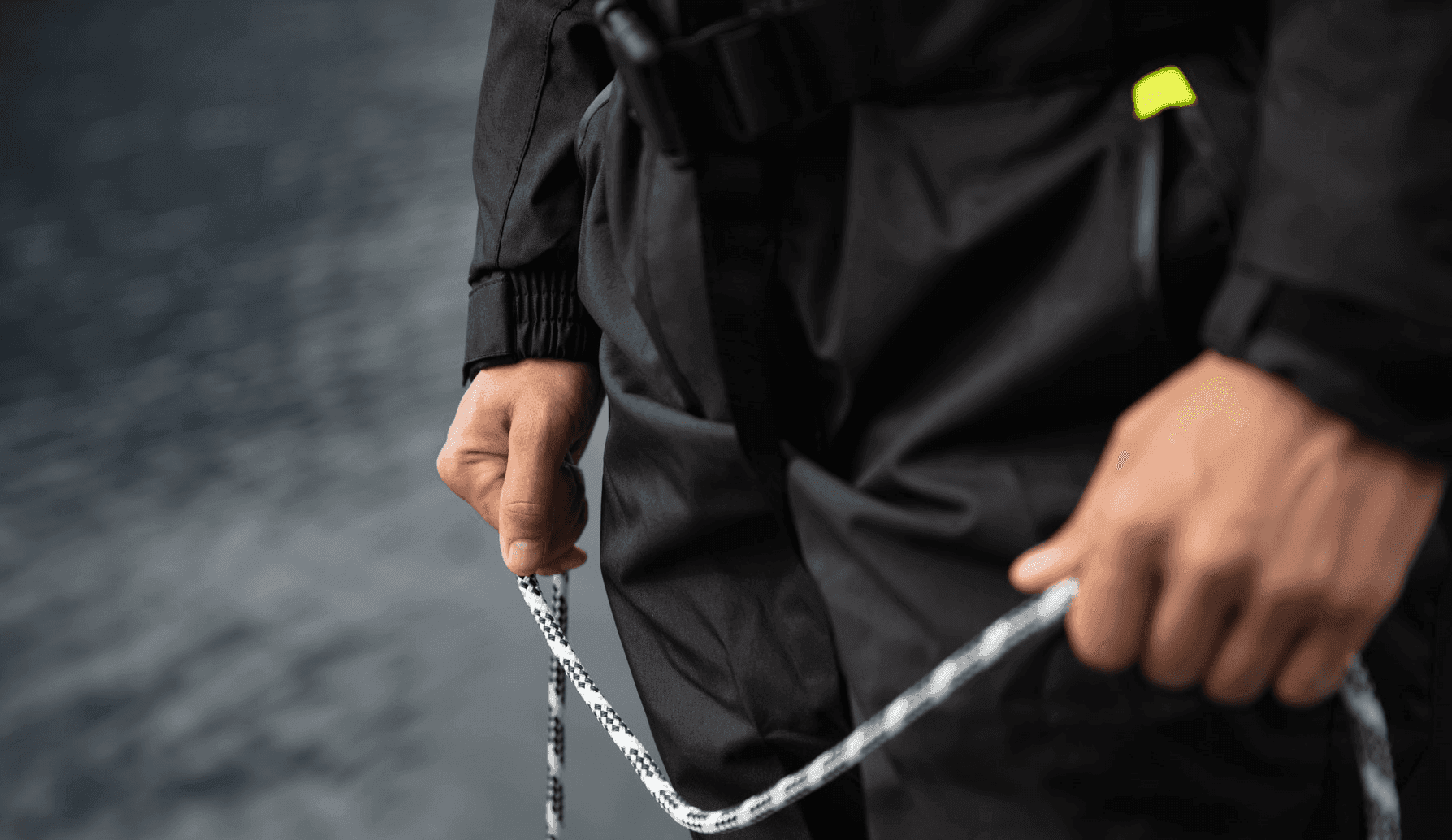
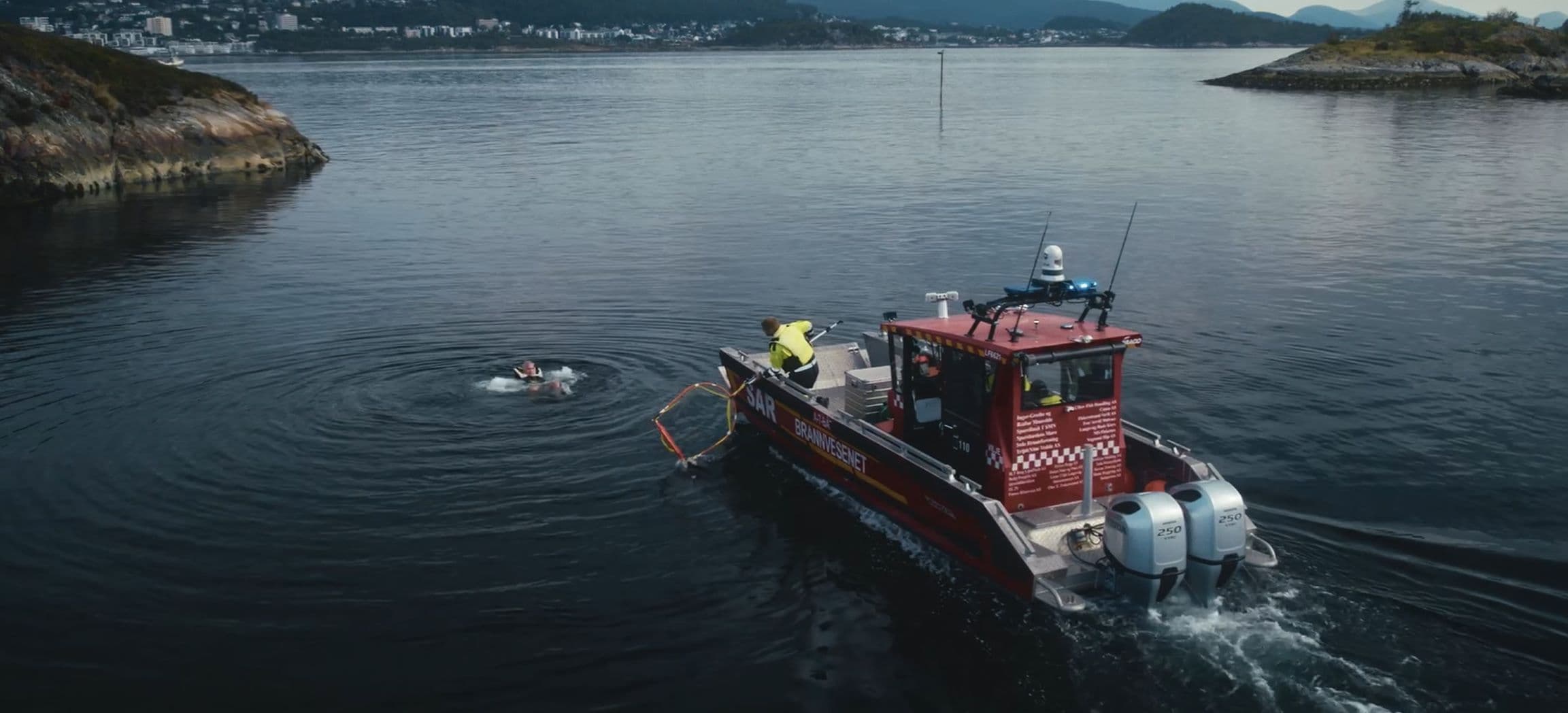
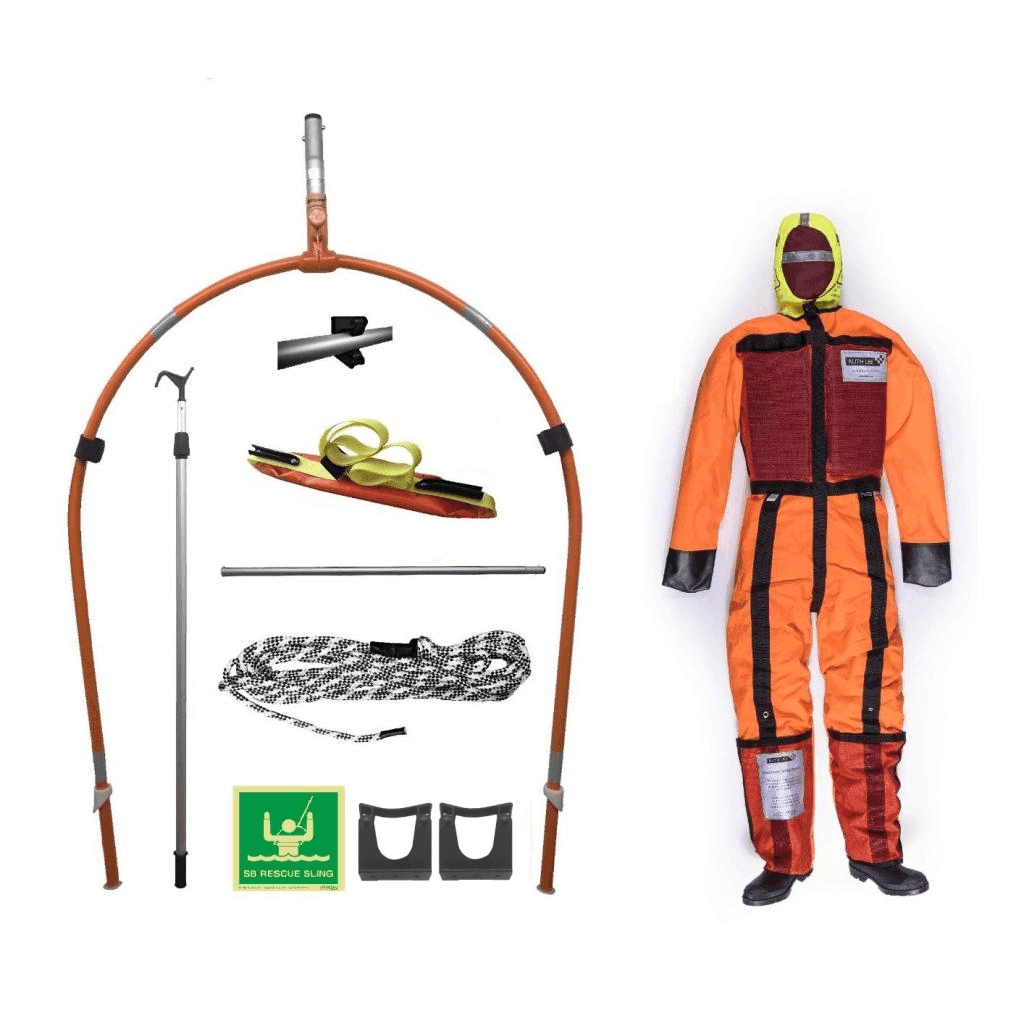
The SB Rescue Sling is designed so that a single crew member can recover a casualty from the water without mechanical assistance. The sling loops under the casualty's arms, distributing the load evenly and allowing recovery through a simple hauling action.

This design removes the need for additional lifting equipment, such as davits or cranes, and can be used effectively on vessels of various sizes, from small patrol boats to larger commercial ships.

30 Second Deploy

Rapid Deployment

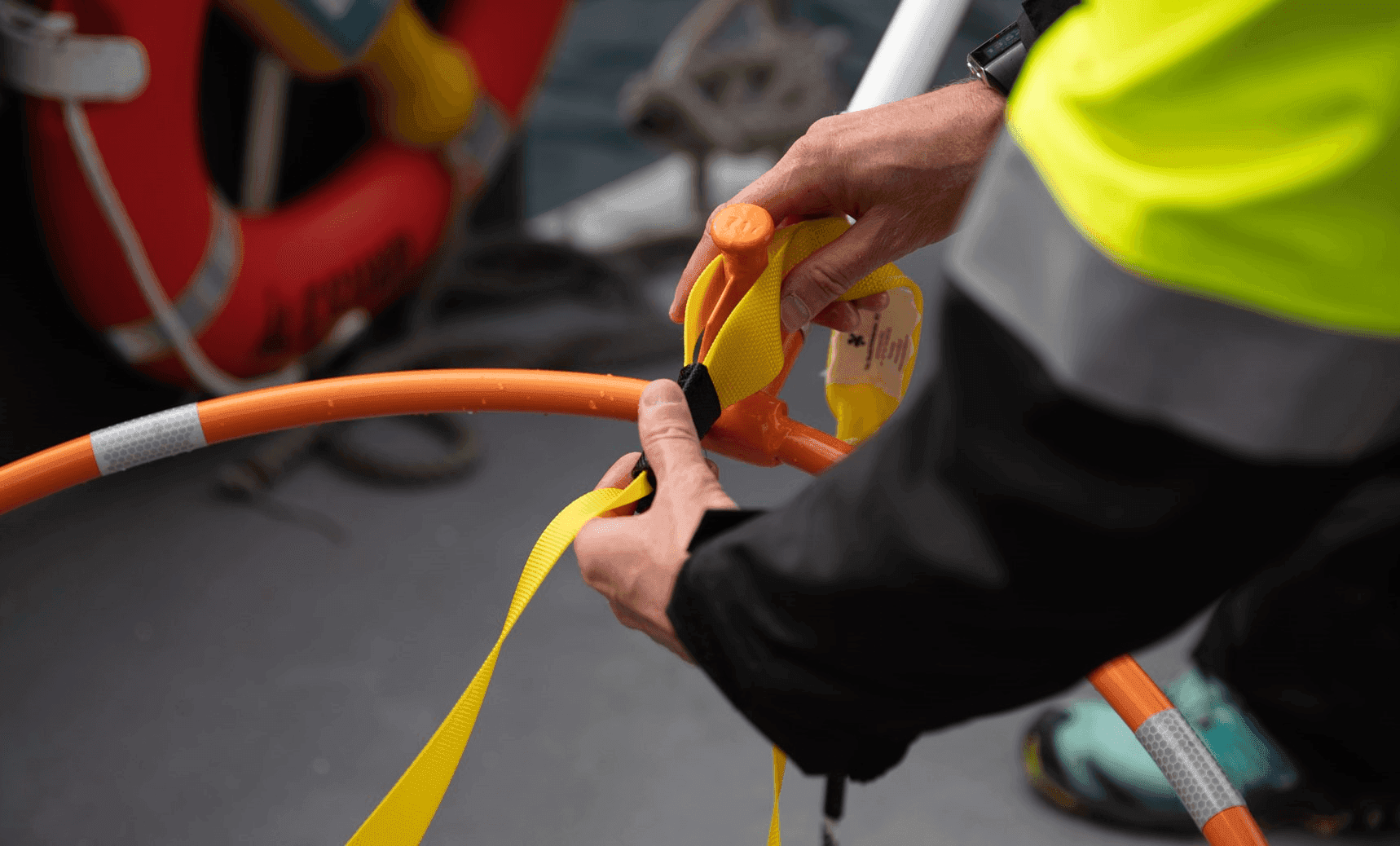
The SB Rescue Sling is stored in a compact valise mounted at the ship's rail for easy access. It can be deployed in under 30 seconds, allowing for rapid response in man overboard situations. The 25-metre floating line feeds out automatically, and the sling’s high-visibility orange colour helps the casualty locate it quickly, even in rough sea conditions.

Force 8 Rated

All-Weather Performance

The SB Rescue Sling is constructed from marine-grade materials designed to withstand UV degradation, salt water, and exposure to petroleum products, ensuring durability in harsh maritime environments. The closed-cell foam sling provides inherent buoyancy, supporting effective recovery even in sea conditions up to Force 8.

The recovery line is made from high-tenacity polyester with a minimum breaking strain of 1,500 kg, providing reliable strength and safety during MOB recovery operations.

Low Maintenance

To keep your MOB recovery system ready for use, conduct an annual inspection using the supplied checklist. No specialist servicing is required, and inspections can be performed by any competent crew member.

The sling and line can be rinsed with fresh water and repackaged on board. Individual components are replaceable as needed, so there is no need to replace the entire system, helping to reduce long-term operational costs and ensure continuous readiness.

Approved and Trusted

The SB Rescue Sling Matesaver is CE-approved and meets internationally recognised safety standards, ensuring it performs reliably in critical man overboard situations.

TIts widespread use by shipbuilders, tug operators, government organisations, and commercial fishermen highlights how proper design and regulatory compliance work together to protect lives at sea.

Understanding which approvals and standards a recovery system meets can help operators select the safest and most effective equipment for their vessel and operating conditions.

Technical Specifications

Stowed Size (frame)450 x 350 x 200mm
Weight (complete)7.5kg
Recovery Line Length25m
Sling Length1,200mm

Certifications & Approvals

CE Approved

NATO Approved

SOLAS Accepted

MCA Accepted

Completing a Man Overboard Recovery Setup

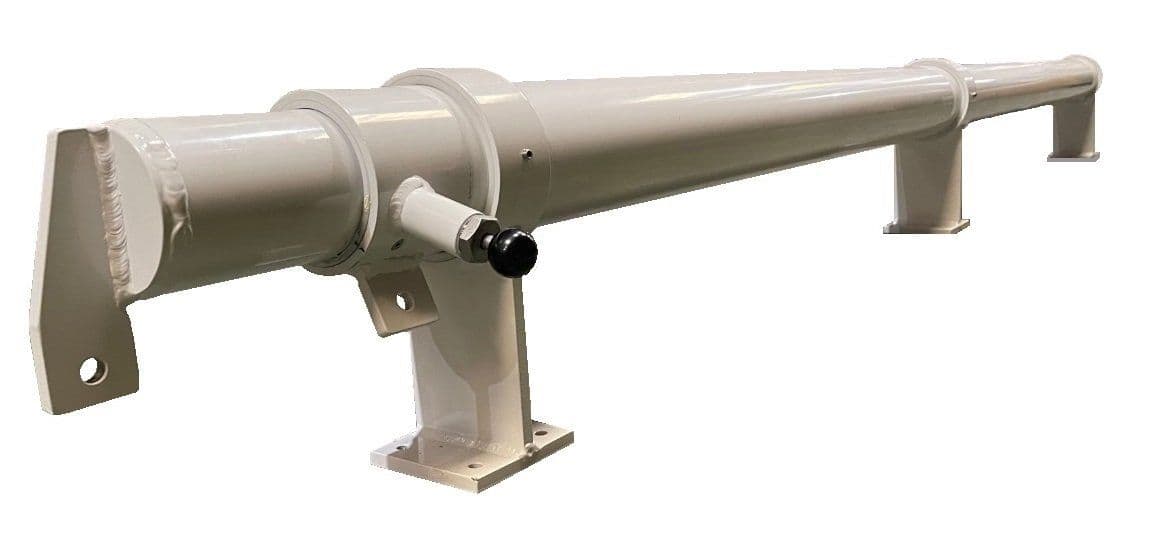
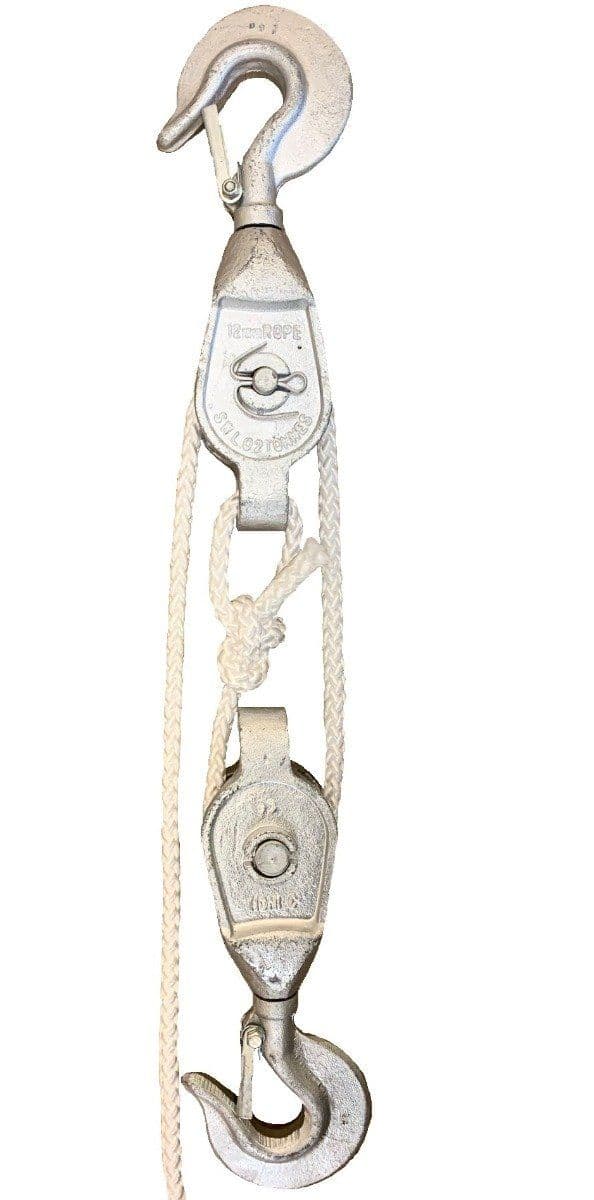
An effective MOB recovery kit often combines several tools. Rescue slings can be used alongside recovery cradles, davits, and training equipment to suit your vessel and crew. When set up to work together, recoveries are safer, more controlled, and support horizontal lifting. Speak to our team to build the right MOB recovery setup for your vessel.

Frequently Asked Questions

The Complete Guide to Man Overboard Recovery

Understanding Man Overboard: The Critical Minutes

A man overboard (MOB) incident is one of the most dangerous emergencies at sea. Research by the Marine Accident Investigation Branch (MAIB) shows that the survival window for a person in the water varies dramatically with sea temperature, from as little as 3-5 minutes in North Sea winter conditions to 30-40 minutes in tropical waters.

The single biggest factor in survival is speed of recovery. Every MOB recovery system must prioritise rapid deployment and efficient casualty retrieval to maximise the chance of a successful outcome.

Regulatory Requirements

SOLAS Chapter III, Regulation 17.1 mandates that all passenger and cargo ships carry means for recovering persons from the water. The Maritime Safety Committee (MSC) Circular 1182 provides further guidance on the design and performance of MOB recovery systems.

Key requirements include:

  • Recovery from the water to the deck in the shortest possible time
  • Operable by the minimum number of crew
  • Effective in the vessel's full operating envelope
  • Capable of recovering an unconscious or incapacitated casualty

Types of MOB Recovery Systems

There are four main categories of man overboard recovery equipment:

  1. Rescue Slings — Lightweight, single-person operated devices that loop under the casualty for hauling recovery. Best for vessels with limited crew, and can be combined with davit
  2. Recovery Cradles (Jason's Cradle) — Net-based systems requiring crane or davit lifting. Suitable for larger vessels with lifting equipment.
  3. MOB Boats — Fast rescue craft launched to recover the casualty. Required on certain vessel types under SOLAS.
  4. Scramble Nets — Deployed over the side for self-rescue by a conscious casualty. Not suitable for recovery of an incapacitated person. In which case a man overboard cradle would be preferred method of retrieving an unconscious, unresponsive, or injured person from the water.

Maintenance Best Practices

To ensure your MOB recovery equipment is always ready:

  • Conduct annual inspections per the manufacturer's checklist
  • Include MOB recovery in regular abandon-ship and safety drills
  • Check mounting hardware for corrosion quarterly
  • Replace UV-degraded components before they fail
  • Maintain a log of inspections and drill results
Does Your Vessel Need a MOB Recovery System?

Answer a few questions about your vessel type, operating area, and crew size to determine your regulatory requirements for man overboard recovery equipment.

Compliance Checker

Check what equipment your vessel requires